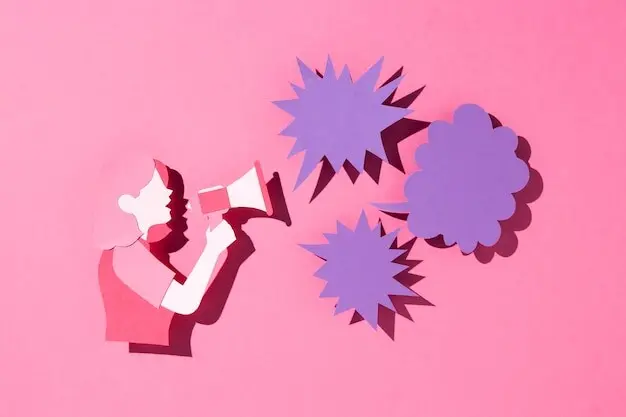
Read the Room with Symbols and Signals

Today we explore using emojis and tone indicators to reduce miscommunication in text chats, translating nuance, smoothing rough edges, and building trust across workplaces, friendships, and communities. You’ll learn practical strategies, respectful etiquette, and accessible habits you can apply immediately. Join the conversation, experiment generously, and share what works.

Why Text Gets Misread

Without voice, timing, and facial expressions, plain text forces readers to guess intention, often assuming negativity or urgency that was never meant. Emojis and tone indicators replace missing cues with compact, recognizable signals, easing interpretation and preventing spirals. We will map common failure points and show how small additions radically increase clarity, warmth, and trust.

The Psychology Behind Tiny Symbols

These miniature marks function as paralinguistic cues, restoring politeness strategies, reducing face threats, and aligning interpretations with intent. By externalizing emotion and stance, they lower cognitive load, support Gricean cooperation, and narrow inferential gaps, helping readers arrive at intended meanings faster, with less stress and fewer costly corrections.

Signal Intention First

When sharing feedback, lead with supportive framing like “Quick suggestion 🙂” or close with a gentle marker such as “— hopeful this helps 🙌”. Bookending reduces ambiguity, makes critique easier to receive, and preserves momentum, especially across time zones where immediate clarifications are unlikely.

Avoid Ambiguous Faces

Some emojis have unstable meanings across platforms; the “grinning” face may look unsettling, and the “relieved” face can read smug. Prefer clearer alternatives like 🙂, 😄, or 😌, and supplement with a word or two so intention survives font quirks, device defaults, and rapid scrolling.

Emoji Hygiene in Work Chats

Establish norms that foreground clarity and respect: favor ✅ for done, ⏳ for pending, 🛠️ for fixing, and 🙏 for gratitude. Avoid suggestive or culture-bound icons, and lean on reactions for acknowledgment, reducing noise while still signaling presence, support, and thoughtful engagement with teammates’ contributions.

Tone Indicators 101: Clear Tags for Clearer Reads

Short suffixes like /s, /j, /gen, /pos, /neg, /lh, and /nm add immediate stance information to otherwise ambiguous lines. Originating in online communities attentive to clarity and inclusion, these markers respect diverse processing styles while dramatically lowering the odds of misfires in fast-moving chat streams.

Cross-Cultural and Accessibility Considerations

Icons and humor travel poorly without shared context. Color, gesture, and hand symbolism vary, and some devices render designs differently. Augment emojis with brief clarifiers, avoid relying on color alone, and ensure screen-reader friendly phrasing so meaning remains available to everyone, including disabled colleagues and global collaborators.

Playbooks for Teams, Communities, and Friends

Rituals and shared references make good intentions routine. Draft a living guide, agree on a reaction lexicon, and designate a short list of tone indicators for sensitive moments. Revisit norms quarterly, celebrate wins, and gather stories showing fewer flare-ups, quicker resolutions, and stronger, kinder collaboration.
Rinoveltodaritarikento
Privacy Overview

This website uses cookies so that we can provide you with the best user experience possible. Cookie information is stored in your browser and performs functions such as recognising you when you return to our website and helping our team to understand which sections of the website you find most interesting and useful.